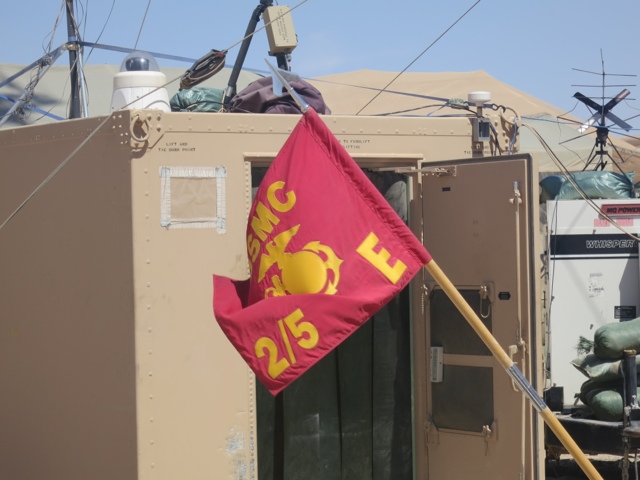
Thursday May 3 – Friday May 4, 2012
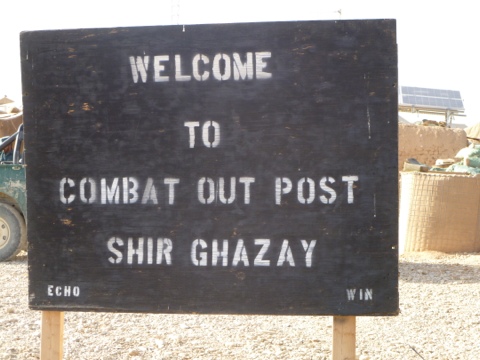
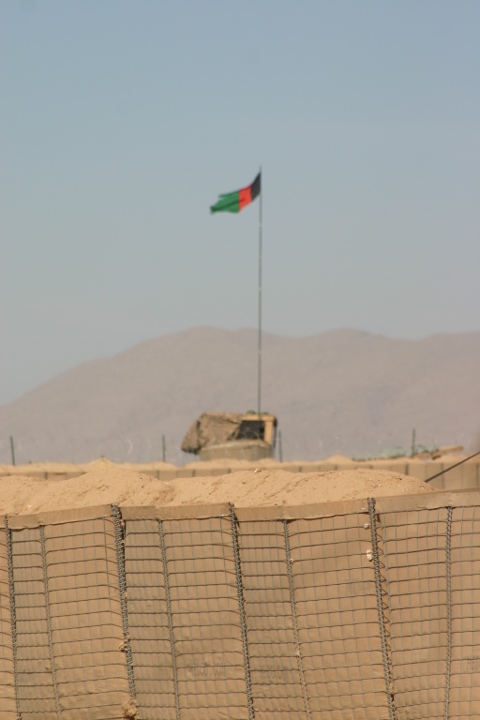
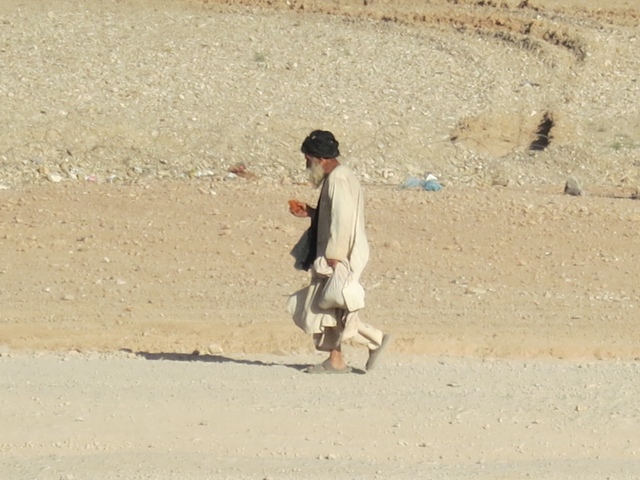
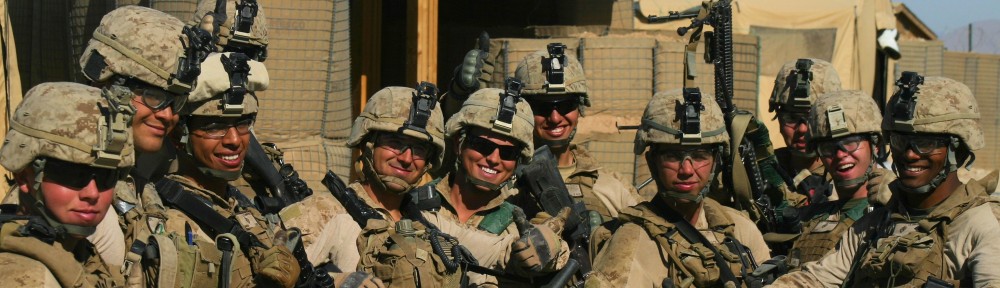
During the late afternoon and evening hours several of us visited the Marines standing post and trying to get a sense of the terrain and our surroundings outside the Hesco enclosure. The Marines tell us that they control everything on our side of a wadi – a dry river bed – about three kilometers to our east. Beyond that wadi the Taliban rule. When patrolling to the east, they say it is common for the enemy to engage them with harassing small arms fire. But, this is always at very long range and their fire discipline is so poor that the chance of getting hit, while real, is slim. When directly engaged by the Marines, the enemy fighters drop their weapons and walk away, knowing that the rules of engagement preclude the Marines from shooting an unarmed person (apparently, however, the ANA are not so constrained, to the Marine’s delight.)
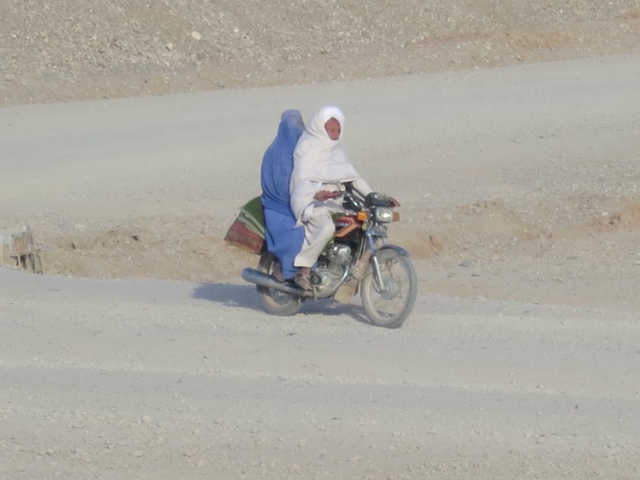
A surveillance system identical to that employed at Coutu is in operation at Shir Ghazay. The civilian contractor operating and maintaining it allowed us to watch him work. Responding to directions relayed by phone from the nearby Combat Operations Center (COC) he can locate and track targets of interest to the commander at a considerable range. We had an opportunity to control the cameras ourselves and see a real time demonstration of the system’s capabilities. While there, I watched them tracking a group of 5 or 6 people on three motorcycles that appeared to be up to no good. I don’t know what they were doing riding around the countryside in the middle of the night, going in and out of various compounds, but it was suspicious enough behavior for the COC to want to monitor it. Earlier, another team member had watched while the contractor surveilled a man digging a hole along a roadside, apparently – perhaps – to plant a roadside bomb. We do not know the final resolution of either of these observations, but they did give a fascinating glimpse into the tools and technology that is being employed to fight this kind of insurgent war. The contractor told us that he is usually not privy to the decisions that the command team are making with the imagery and data that he delivers to them but, from time to time, he sees a bright flash on his monitor and the threat he is tracking is gone.
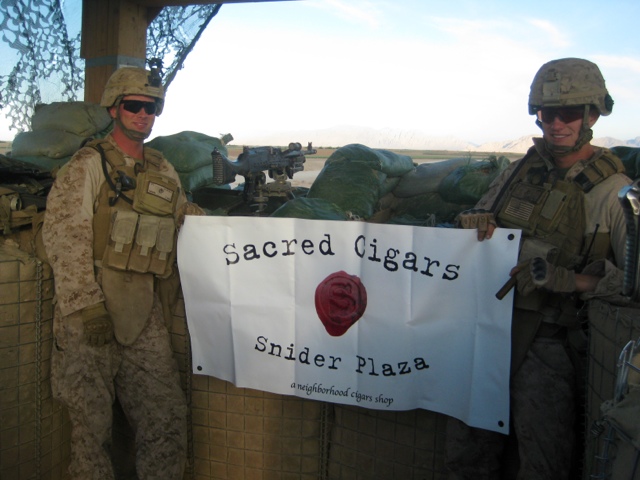
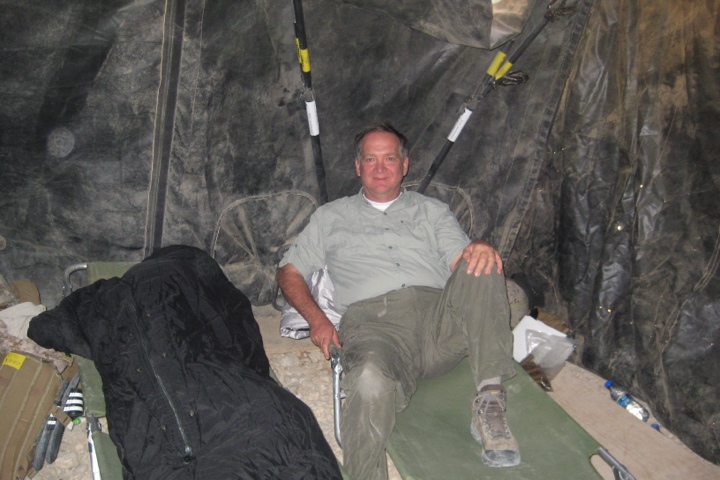
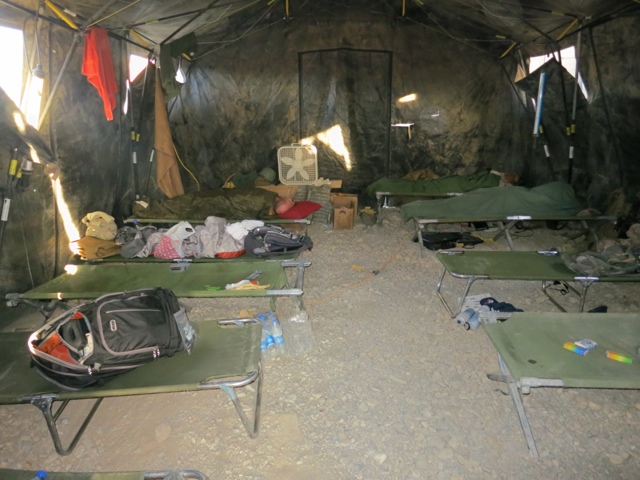
Chad and I make the rounds of the various guard posts, the COC and the tent that serves as a small “internet cafe” for the Marines, dispensing cigars provided by the Sacred Cigar shop in Snider Plaza. These were a big hit and the Marines thanked us profusely. (These guys were unfailingly polite and genuinely appreciative of our presence.) There is a shower tent on the COP, so we are able to rinse off most of the dust before bed.
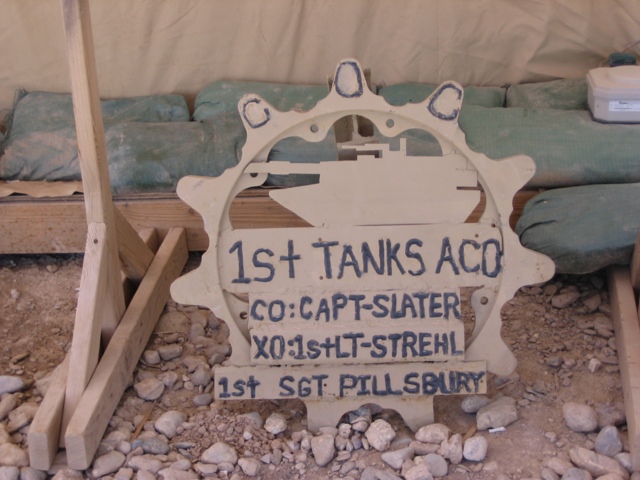
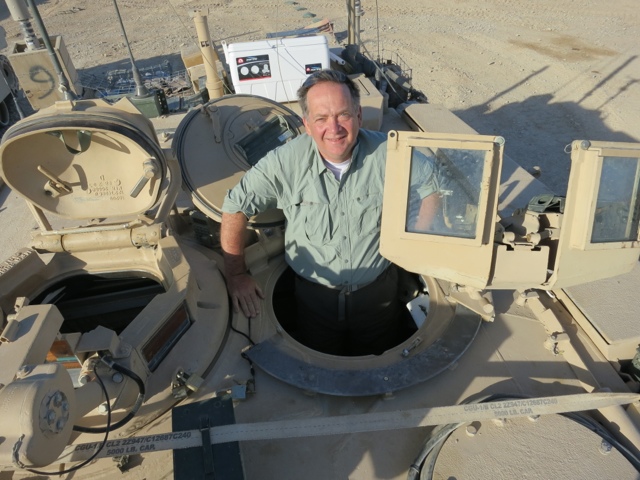
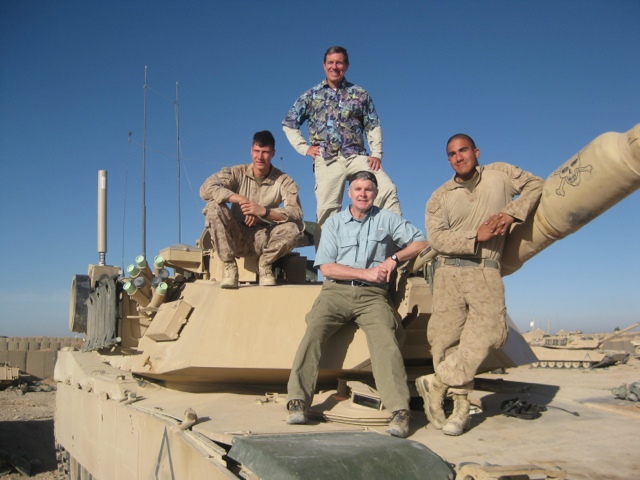
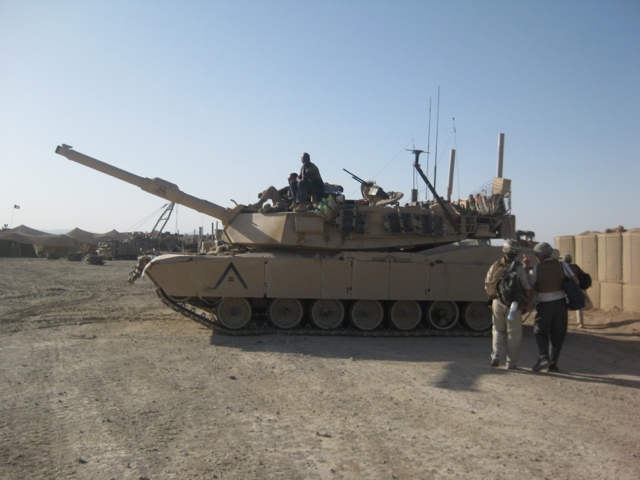
Friday morning we sleep in. Rather than a 0345 wakeup, we are up around 0600. I slept reasonably well, though I did get a little bit chilly overnight. After breakfast of field rations – which consisted of re-hydrated scrambled eggs, corn beef hash and ham (and which I did not eat, settling for coffee and cold cereal) – Wayne and I headed out to visit the Marines on guard duty as well as the Marine tankers on the opposite side of the COP. We spent a good bit of time with a couple of tank crewmen and received a pretty thorough orientation on the M1 Abrams tank. We were able to sit in the commander, loader and gunner positions within the tank and have the various systems employed at each position explained to us. We traversed the turret and I squeezed the main gun trigger, which seemed to make the crewman a little nervous!. (NOTE: Upon hearing this, my Army Armor officer son quizzed me closely about and quickly set me straight. I did not squeeze the trigger. It was the “cadillac” – which transfers control of the main gun between the gunner and commander’s position.)
The tankers are employed primarily in overwatch roles as the Marine infantrymen and/or ANA or ANP conduct patrol operations. This means that they will assume a position where they can observe the ongoing activities of the infantrymen and can provide fire support if needed. The tankers also go out on extended, multi-day missions away from the COP to occupy “blocking positions” along key travel routes and to disrupt enemy movement through the area. These missions can be as long as two or more weeks in duration, while the typical infantry patrol, either day or night, only requires several hours. The tank crewman we spoke with told us that their longest operation was 21 days, during which time they did not leave their tank except to take care of biological needs.
There is also some indirect fire capability on this COP. There is a section of 81mm mortars and I saw one 105mm howitzer. The contractor and a couple of Marines that shared our tent told us of a recent fire mission that was quite impressive and said that they could feel the concussion of the howitzer firing at considerable distance.
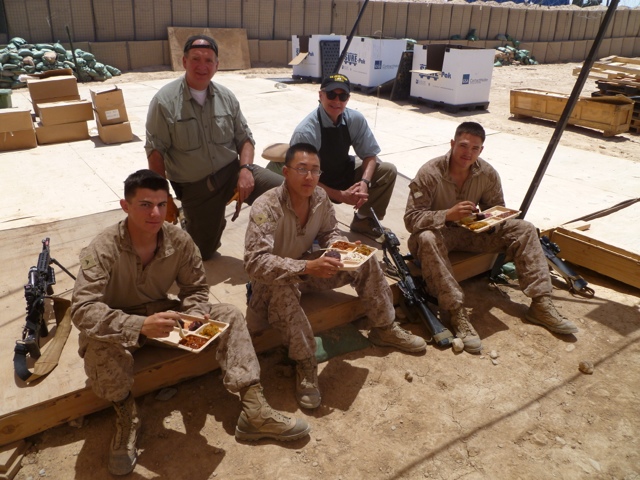
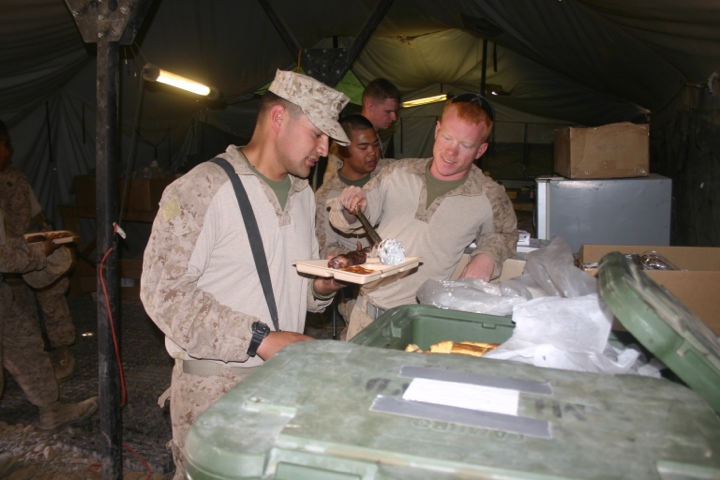
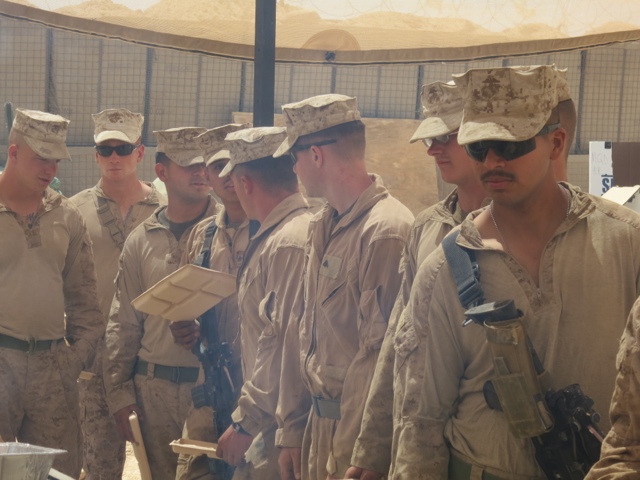
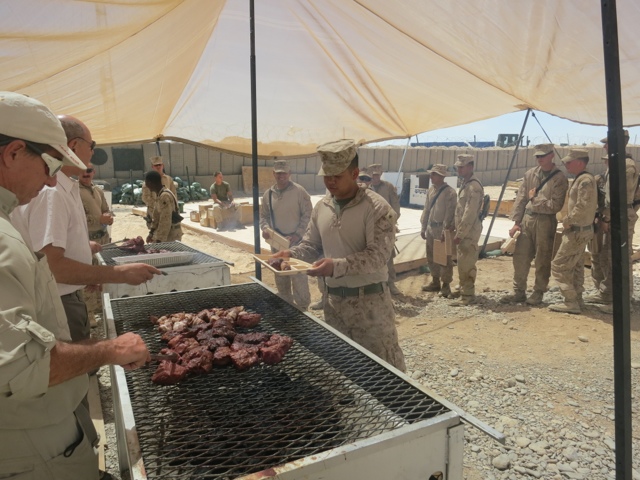
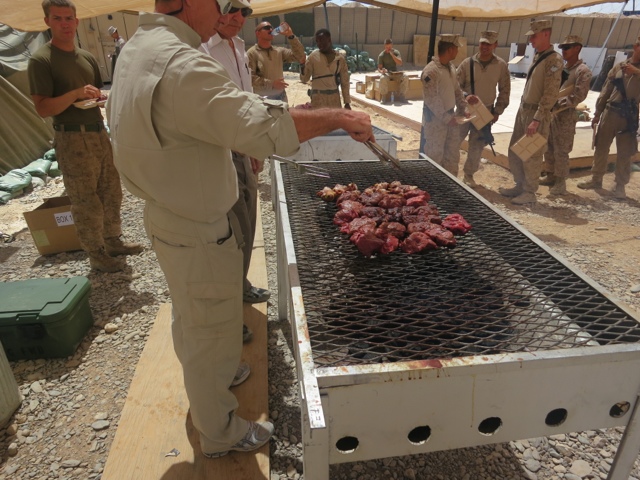
We begin the cooking and serving process around 1030 hours. Harvey, as a former Army tanker himself, had arranged that the Tank Company be the first fed and dispatched me to “tank country” to ensure that they got to the head of the line. I spoke to one of the Platoon Commanders, who knew nothing of our event, and eventually to the Company Commander, Captain Slater. He told me that the First Sergeant of Echo Company (the infantry guys) had countermanded Harvey’s directive and that the priority would go to Marines of the rank of Lance Corporal and PFC first, to be followed by junior non commissioned officers (corporals and sergeants), senior NCOs and then officers last. Well, that was hard to argue with and, to my surprise and delight, Harvey did not make a stink about it. We got the low ranking tankers through the line early and he was happy with that. To his credit, the First Sergeant worked the serving line for the entire 2 hours we cooked and he and the Echo Company Commander were the very last through the line. I very much respect the leadership ethic that says that the commanders do not eat until all of their men are fed.
Once again, the Marines could not have been more respectful, polite and appreciative. We were thanked and thanked and thanked, time and again, to the point of embarrassment. Compared to what these guys do every day – and are doing right now, and will continue to do – we did NOTHING. We just flew in, grilled some meat and flew out. It was a privilege and an honor to spend time with them.
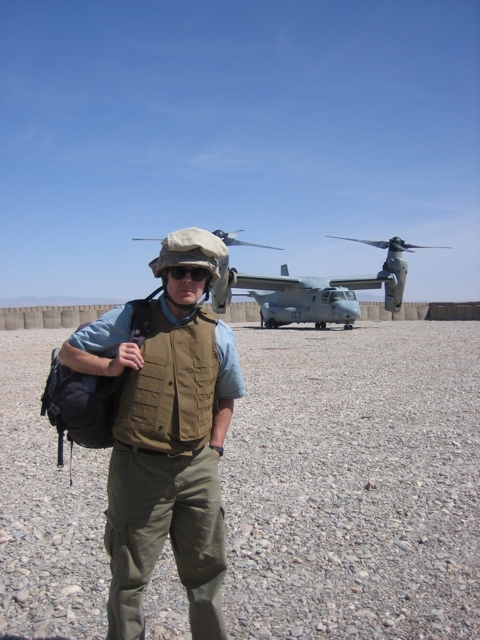
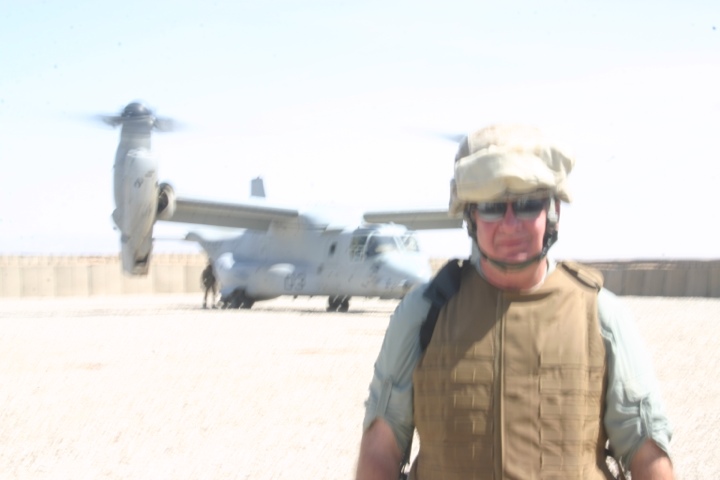
At about 1430 we were picked up by an Osprey and flew back to Leatherneck. We learned that our other team would not be making it back and would spend another night in the field with the Marines. I confess to having a bit of jealousy about that, but I also confess that having a nice hot shower, a mattress to sleep on and a climate controlled can to sleep in was nice.